Integrating Raw Material Compliance Tips
Bulk Trucking Explained: Crucial Services for Optimized Freight Transport
Bulk trucking serves as a key factor in the process of hauling large volumes of goods. It encompasses various industries, guaranteeing that supplies are delivered efficiently and with maximum cost efficiency. By employing specific transporters, this service reduces the hazards associated with handling and boosts delivery swiftness. Nevertheless, the environment of bulk trucking is changing rapidly. Knowing its intricacies can offer perspective on its increasing importance in modern supply chains. What factors contribute to its efficiency?
Bulk Trucking Explained?
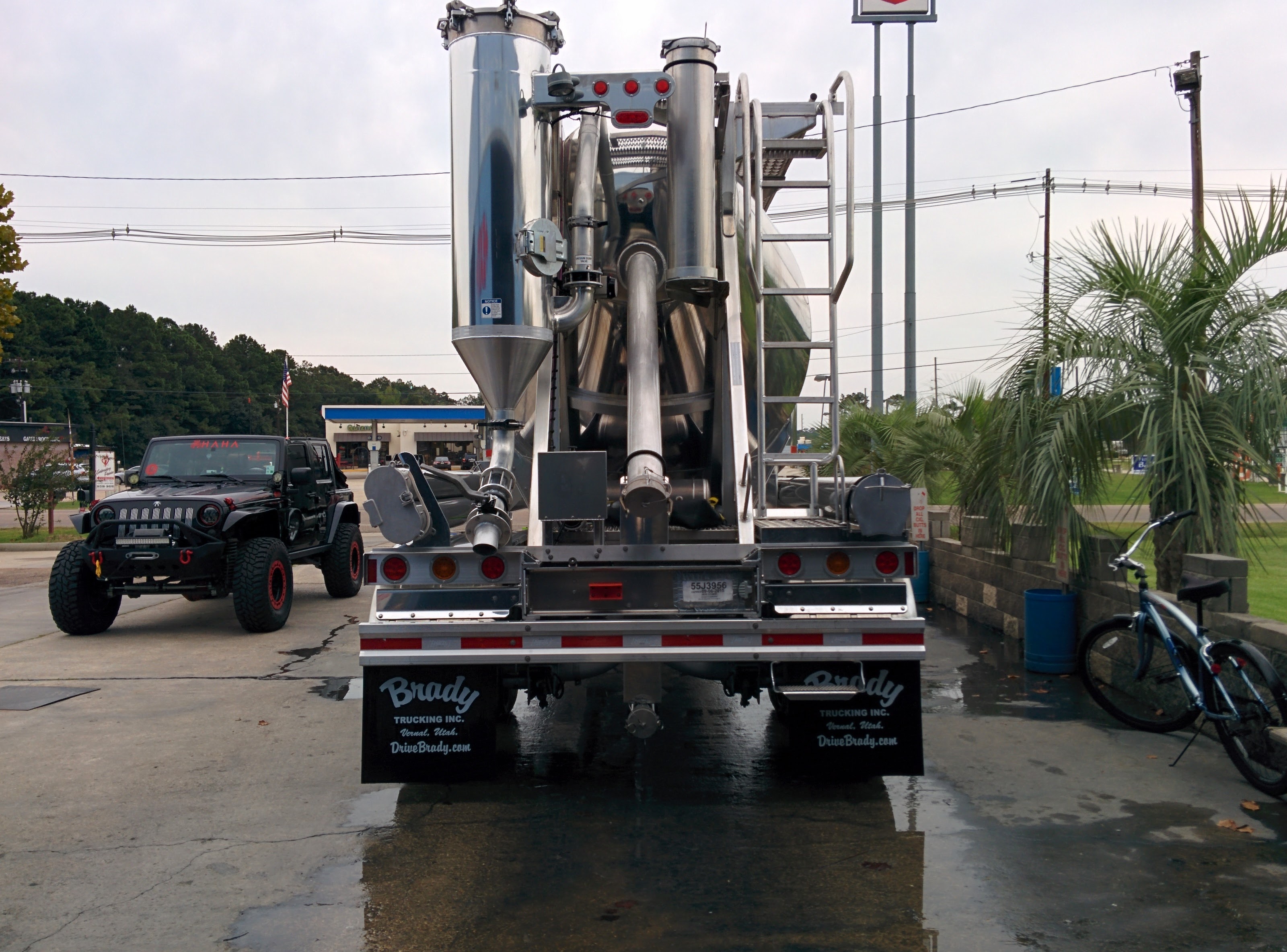
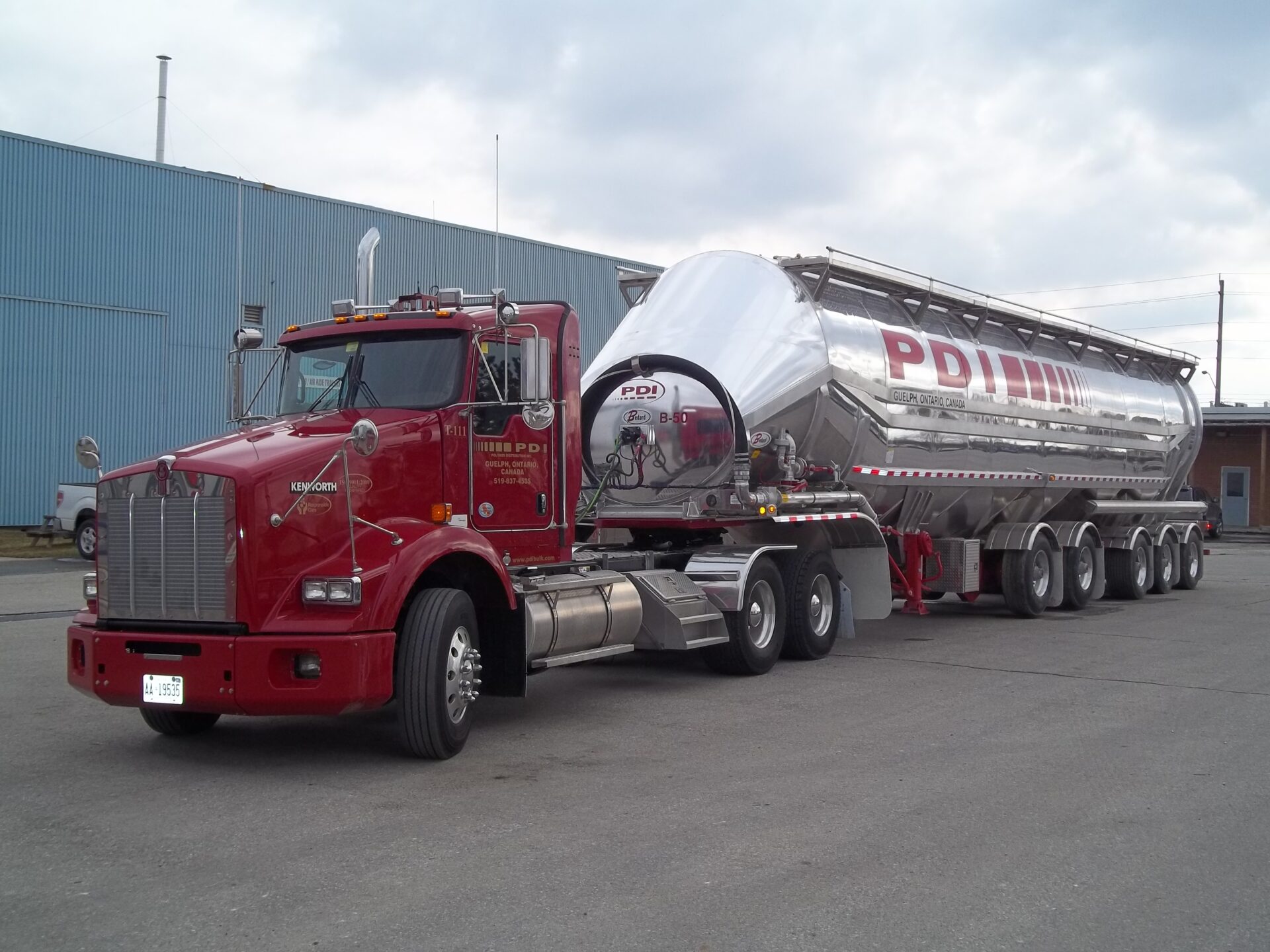
Bulk hauling means the hauling of massive amounts of goods, usually in liquid or granular state, using specialized vehicles. This method is vital for sectors needing the transportation of substantial loads, such as farming, chemical manufacturing, and building. Specialized bulk vehicles, such as tankers for fluids and hoppers for granular goods, are engineered to optimally control and transport these bulk commodities.
The coordination of bulk hauling involve careful planning and coordination, guaranteeing the correct transporter is utilized for distinct cargo to avoid spoilage and harm. In addition, standards controlling bulk hauling necessitate following safety protocols, especially concerning dangerous goods.
Bulk hauling is instrumental in the supply chain, facilitating the timely delivery of essential goods while optimizing costs linked to hauling. By using this method, businesses can optimize their processes, guaranteeing a constant supply of materials necessary for production and additional operations.
Major Advantages of Bulk Transport
Although various transport options are available, bulk trucking provides unique benefits that can greatly enhance operational efficiency for multiple businesses. One significant benefit is cost-effectiveness; bulk trucking frequently decreases individual shipping expenses because of the capacity to move big loads concurrently. This efficiency means decreased aggregate transport spending, establishing it as a compelling alternative for businesses.
Moreover, bulk hauling delivers versatility in planning and navigation, enabling firms to adjust rapidly to shifting requirements. The potential to carry a wide range of freight, from raw materials to consumer goods, further broadens its appeal.
Moreover, bulk trucking can improve delivery speed, as optimized processes and direct routes minimize transit times. Better management of loads also leads to reduced handling, reducing the chance of damage while moving professional advice cargo. Taken together, these key benefits make bulk trucking an vital logistical tool for industries seeking reliability and efficiency in their supply chains.
Categories of Bulk Cargo Moved
Various industries rely on bulk trucking to transport a wide range of cargo types. A primary category includes farm produce, including grains, fertilizers, and animal feed. This cargo is usually moved in large quantities, meaning specialized bulk trucks are needed designed for efficient loading and unloading.
In addition, construction materials like sand, gravel, and cement are commonly moved using bulk trucking services. These materials are essential for various construction projects and need prompt delivery to maintain project schedules.
Chemical products, such as liquid and dry chemicals, also constitute a significant portion of bulk cargo. This cargo requires careful handling and compliance with safety regulations during transport.
In addition, food products, such as sugar and flour, are transported in bulk to fulfill manufacturing and distribution requirements. Overall, the wide variety of bulk cargo showcases the versatility and importance of bulk trucking in supporting various economic sectors.
Technology's Impact on Bulk Trucking
In what ways has technology changed the field of bulk trucking? The integration of advanced technologies has greatly enhanced operational efficiency and safety within the bulk trucking industry. GPS tracking systems enable live tracking of cargo and vehicles, facilitating timely deliveries and improved route planning. Additionally, telematics has proven to be a crucial tool, supplying important data about vehicle performance, fuel consumption, and driver behavior, which ultimately results in cost savings and reduced environmental impact
(Illinois top rated Bulk Trucking)Furthermore, automated systems for inventory management streamline loading and unloading processes, reducing delays and increasing productivity. Modern communication systems are vitally important, connecting drivers, fleet supervisors, and customers seamlessly. The ability to connect promotes openness and improves client support by providing accurate updates on shipment status. Since the industry keeps changing, such technological progress will further reshape bulk trucking, fostering new ideas and raising the standard of service within a cutthroat environment
Choosing the Right Bulk Trucking Service
Picking the ideal bulk hauling company is essential for companies that want to enhance their operational efficiency. Businesses must start by assessing their unique freight needs, such as the kind of goods being hauled and the sheer amount. Checking the copyright's history with managing comparable loads can provide insight on their capacity.
Moreover, firms need to evaluate the geographic coverage of the service, ensuring that the trucking company can efficiently reach the intended destinations. A second key consideration involves the company's safety performance and compliance with industry regulations, which can greatly impact the dependability of the service.
The expense is another crucial element; however, firms need to measure the price versus the standard of service to prevent giving up on important factors. Finally, customer support and methods of communication are critically important in preserving openness during the entire delivery operation. Through meticulous review of these points, businesses are able to choose a bulk transport provider which fits their functional demands and aims.
Frequently Asked Questions
What Are the Typical Costs Associated With Bulk Trucking Services?
Standard expenses for bulk transport involve gasoline charges, labor costs, maintenance fees, coverage, and highway charges. Furthermore, pricing can fluctuate depending on the mileage, the kind of freight, and market demand, impacting overall pricing structures.
What is the Best Way to Ready My Freight for Bulk Transport?
To ready your load for bulk transport, ensure adequate wrapping, make sure the cargo is fixed, check the maximum allowed weight, and mark the items distinctly. Additionally, inspect for any damage and comply with safety standards to ensure speedy movement and drop-off.
Which Safety Rules Govern to Bulk Trucking?
Safety regulations for bulk trucking encompass adhering to weight limits, proper securing of cargo, adherence to dangerous goods regulations, routine truck maintenance checks, and driver training requirements to facilitate safe transit and lower the risk of mishaps. - Illinois top rated Bulk Trucking
- Illinois top rated Bulk Trucking
What Measures Do Bulk Carriers Take for Delays?
Bulk trucking companies address interruptions by providing upfront client communication, modifying timelines, and rerouting loads as needed. They also make use of technology to track deliveries, providing real-time information and lessening disturbances in the logistics network.
Do Bulk Carriers Offer International Transportation Services?
Bulk trucking is capable of handling international shipments by collaborating with logistics partners and employing appropriate gear. These companies verify conformity with foreign laws, facilitating seamless cross-border transport for various bulk commodities while maintaining efficiency and safety.