Revolutionizing Supply Chain in Trucking
Understanding Bulk Trucking Optimizes Supply Chain Solutions Across Industries
Heavy-duty transport plays a pivotal role for contemporary logistics, impacting various industries through enhanced performance while lowering expenses. The ability of bulk trucking to move massive quantities of cargo over extended ranges allows businesses to react quickly to consumer requirements. This capability brings up considerations regarding efficient logistics and green practices. Grasping the diverse advantages and difficulties of bulk trucking might redefine how organizations approach their logistics planning. What insights await as we explore this critical aspect?
The Critical Role of Bulk Trucking in Modern Supply Chains
While many facets of logistics operations play critical roles, bulk trucking stands out as a key element for guaranteeing effectiveness and financial viability. Bulk hauling enables businesses to ship massive volumes of cargo over long distances, considerably reducing the amount of hauls compared to smaller shipments. The streamlined nature of this transport method decreases manual processing and shipping time, which is crucial to keep stock levels stable and meeting customer demands promptly.
Furthermore, bulk transport aids various industries, including agriculture, manufacturing, and retail, by offering a dependable method of transporting raw materials and completed items. Its capacity to accommodate various types of freight fosters flexibility in logistics networks, enabling businesses to respond to volatile market situations. Given that buyers anticipate speedy shipment, the strategic use of heavy-duty transport becomes a pivotal factor for improving total logistics efficiency, thereby helping to a competitive advantage in the industry.
Cost Efficiency: Bulk Trucking's Impact on Cutting Transport Expenditure
Heavy-duty hauling significantly reduces transportation expenses, making it an attractive option for firms looking to improve their transport processes. By fully utilizing truck space, bulk hauling permits organizations to transport larger quantities of goods using fewer hauls, significantly lowering energy expenses and driver labor expenses. This cost-saving is highly advantageous for businesses managing weighty goods, such as construction or agriculture, where standard shipping techniques are often more expensive.
Additionally, bulk trucking often results in fewer handling and loading processes, lessening the possibility of breakage and delays associated with multiple shipments. The scale benefits realized via heavy hauling may further cause better pricing from haulage companies, additionally boosting expense reduction. Consequently, businesses can allocate financial resources more effectively, which permits reinvestment in other areas of their operations. Overall, the cost-effectiveness of bulk trucking serves as a crucial component in creating a competitive supply chain strategy.
Enhancing Operational Flexibility Using Bulk Trucking Solutions
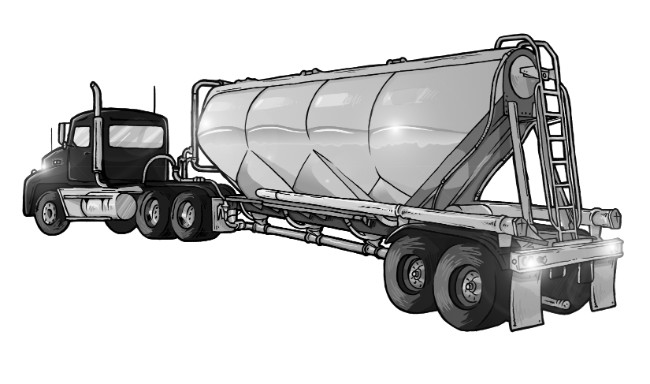
Bulk trucking solutions are fundamental in boosting operational flexibility in supply chains. By allowing companies to rapidly respond to demand changes, these solutions make more efficient transportation processes and improve overall efficiency. This adaptability goes beyond meeting customer needs but also makes the best use of resource allocation and lowers lead times.
Responding to Demand Changes
In today’s dynamic market, businesses are increasingly aware of the importance of operational flexibility to adapt to shifting demand patterns. Bulk trucking is instrumental in this adaptability, offering companies with the capability to expand or contract their transportation solutions rapidly. By using bulk trucking, organizations can properly oversee inventory levels and react to fluctuations in demand without leading to excessive costs. This flexibility allows for the transportation of large quantities of goods quickly, cutting lead times and increasing customer satisfaction. Moreover, bulk trucking solutions can easily accommodate changes in production schedules or unforeseen market shifts, ensuring that businesses hold onto a competitive edge. In summary, adapting to demand changes through bulk trucking is vital to optimizing supply chain efficiency.
Efficient Transportation Processes
Operational flexibility is additionally enhanced through more efficient transportation processes that utilize bulk trucking solutions. These solutions allow companies to optimize their supply chain by minimizing transit times and bettering load management. By utilizing bulk trucking, businesses can combine shipments, cutting down the number of trips required and thereby decreasing transportation costs. Sophisticated monitoring tools enable real-time visibility, allowing for better planning and quicker response times to unforeseen disruptions. Furthermore, the adaptability of bulk trucking makes easier easy adjustments to logistics strategies, addressing fluctuating demand. Therefore, industries benefit from improved efficiency, fewer operational delays, and boosted overall competitiveness. Efficient transportation processes, as a result, are vital in getting the most out of the advantages provided by bulk trucking in supply chain management.
Green Advantages of Bulk Trucking in Logistics Operations
Bulk trucking offers significant green benefits in logistics operations. By grouping deliveries, it leads to lower carbon output and encourages effective fuel use. These positive effects do more than support ecological goals but also enhance the overall efficiency of supply chain activities.
Reduced Carbon Emissions

Decreasing CO2 output is a major upside of using consolidated transport in supply chain management. By hauling more items in fewer trips, consolidated transport greatly reduces the volume of traffic. This streamlining both lessens road blockage but also leads to lower overall emissions. Additionally, consolidated transport enables more streamlined routes, further lowering the environmental cost associated with logistics operations. Fewer journeys results in decreased energy expenditure, leading to a reduction in greenhouse gas emissions. Since businesses are emphasizing ecological responsibility, the green advantages of consolidated hauling align with corporate social responsibility goals, establishing firms as eco-friendly pioneers in their industries. Moving towards consolidated hauling constitutes an important action in fighting global warming.
Maximized Fuel Economy
Boosting energy effectiveness emerges as a key benefit of consolidated transport in logistics operations. High-capacity transport reduces the number of trips required to haul substantial cargo, leading to significant fuel savings. Via shipment consolidation, firms lessen the total energy use for each item moved. This efficiency not only lowers operational costs but also contributes to environmental sustainability. Since less vehicles are required for transport, pollutants are lessened, further enhancing the ecological impact of bulk trucking. Additionally, advancements in fuel technology and efficient route planning utilized for high-capacity hauling continue to boost fuel economy, solidifying its role as an essential component for firms seeking SCM improvements while maintaining ecological accountability.
Real-World Results: Case Studies of Consolidated Transport Across Various Industries
Although numerous sectors depend on effective logistics, bulk trucking stands out as a critical component for success in industries spanning agriculture to construction. For the agriculture sector, a prominent grain producer utilized bulk trucking to optimize the delivery of harvested crops, shortening delivery schedules by 30% and significantly reducing transport expenses. Meanwhile, in the construction industry, a large contractor utilized bulk trucking to transport aggregates, which bettered project completion times and lessened interruptions from material deficits. A well-known beverage company also utilized bulk trucking to transport its primary materials, making possible JIT delivery that raised operational efficiency. These studies show that bulk trucking not only streamlines logistics but promotes teamwork and adaptability across the logistics network (Illinois top rated Bulk Trucking). By meeting the specific requirements of every sector, bulk trucking proves to be an invaluable asset, leading to operational achievement and market advantage across diverse sectors
Addressing Difficulties in Bulk Trucking Logistics
Since the need for bulk trucking services keeps increasing, various hurdles appear that logistics companies must adeptly navigate. One significant hurdle is the variability of regulations across different regions, which can complicate compliance and contribute to setbacks. Additionally, fluctuations in fuel prices can impact operational costs, demanding strategic preparation and financial planning.
A further difficulty is ensuring the security and quality of materials being shipped in bulk, which calls for specialized gear and qualified staff. Companies must also contend with scheduling and route optimization to shorten transportation periods while ensuring peak efficiency.
What's more, insufficient drivers intensify these challenges, making it vital for transport businesses to invest in training and retention strategies. By resolving these hurdles via innovation, technology, and efficient management strategies, companies can enhance their bulk trucking logistics and provide an uninterrupted supply chain service for their clients.
Future Trends: The Evolving Role of Bulk Trucking in Supply Chains
Despite the fast-paced changes in supply chains, bulk trucking is still a necessary factor, modifying itself to satisfy the developing requirements of industries. The future of bulk trucking will feature technological progress, like automation and instantaneous tracking, raising productivity and openness. This change enables better route planning and shortened delivery schedules, contributing to a more resilient supply chain.
Environmental responsibility is also turning into a focus, as firms look more and more for environmentally sound transport methods. Vehicles using electric and alternative fuels are expected to have a major role, cutting the carbon emissions from bulk transport.
In addition, the integration of data analytics allows businesses to gauge market movements and adjust their bulk trucking strategies accordingly. Given the continued expansion and internationalization of sectors, bulk transportation is projected to develop into a highly flexible and responsive operation, establishing itself as a critical element of contemporary logistics frameworks.
Frequently Asked Questions
What Materials Are Often Shipped Through Bulk Trucking?
Bulk trucking typically moves products such as farm products such as grains and fertilizers, manufactured goods such as chemicals and plastics, and edible goods such as liquids and powders (Illinois top rated Bulk Trucking). These goods demand effective, high-volume shipping methods
How Does Bulk Hauling Affect Time-to-Delivery for Businesses?
Bulk transportation markedly cuts down delivery periods for firms by consolidating large quantities of goods, finding the best routes, and facilitating quick handling of goods, ultimately streamlining operations and boosting overall supply chain efficiency in different fields.
Which Safety Rules Oversee Bulk Transportation Procedures?
The safety rules controlling bulk practical tips hauling encompass the Federal Motor copyright Safety Administration's guidelines, maintenance criteria for vehicles, protocols for shipping hazardous materials, driver training requirements, and allowable weight thresholds, making certain transportation is safe and mitigating risks while traveling.
How Can Companies Choose the Right Bulk Trucking Partner?
Businesses are able to find the right partner by reviewing their industry tenure, safety performance, dependability of service, fee schedules, and client feedback. Setting up effective communication channels and knowing the exact demands of their supply network is vital.
Which Technologies Are Utilized in Bulk Hauling Management?
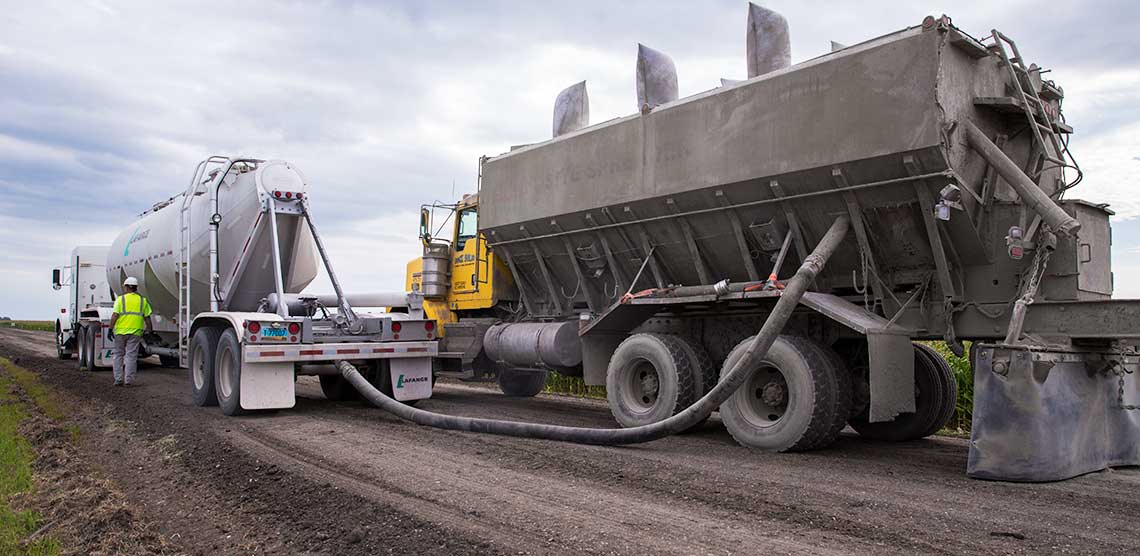
Various technologies, including GPS tracking, vehicle telematics systems, route optimization software, and warehouse management tools, are utilized in bulk trucking logistics management to increase operational speed, track how vehicles are operating, and facilitate better communication among parties to achieve better results.